Can a Drug Addict Get Cured and Recreationally Use the Drug Again
addiction
Drug Abuse and Addiction
Do you or someone you know have a drug problem? Explore the warning signs and symptoms and learn how substance corruption problems develop.
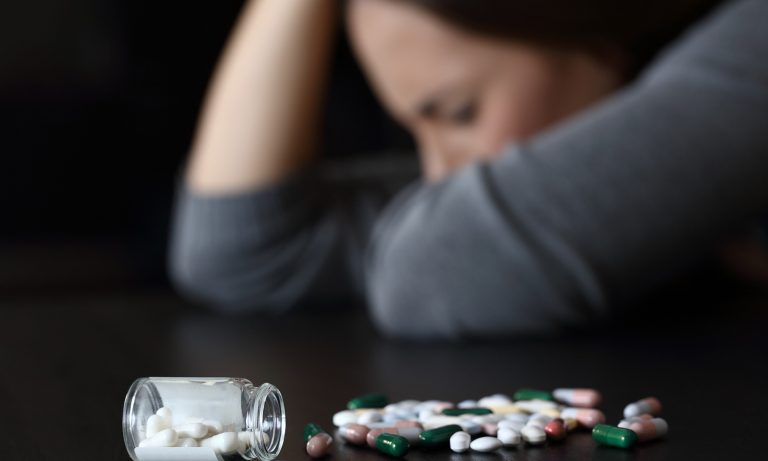
Understanding drug abuse and addiction
People from all walks of life can experience bug with their drug use, regardless of age, race, background, or the reason they started using drugs in the first place. Some people experiment with recreational drugs out of marvel, to have a adept time, because friends are doing information technology, or to ease problems such as stress, feet, or depression.
However, it'southward non just illegal drugs, such as cocaine or heroin, that can pb to corruption and habit. Prescription medications such as painkillers, sleeping pills, and tranquilizers can cause like problems. In fact, next to marijuana, prescription painkillers are the most driveling drugs in the U.Southward. and more than people die from overdosing powerful opioid painkillers each day than from traffic accidents and gun deaths combined. Addiction to opioid painkillers can be and then powerful it has become the major risk cistron for heroin abuse.
When drug use becomes drug abuse or addiction
Of course, drug employ—either illegal or prescription—doesn't automatically lead to abuse. Some people are able to utilize recreational or prescription drugs without experiencing negative effects, while others find that substance use takes a serious price on their wellness and well-existence. Similarly, there is no specific point at which drug use moves from casual to problematic.
Drug abuse and addiction is less about the blazon or amount of the substance consumed or the frequency of your drug use, and more than about the consequences of that drug utilize. If your drug employ is causing problems in your life—at piece of work, school, home, or in your relationships—yous likely accept a drug abuse or addiction problem.
If you're worried about your own or a loved 1's drug use, learning how drug abuse and habit develops—and why it can have such a powerful hold—will give you a better agreement of how to best deal with the problem and regain command of your life. Recognizing that you lot take a trouble is the first pace on the route to recovery, i that takes tremendous backbone and strength. Facing your problem without minimizing the upshot or making excuses can feel frightening and overwhelming, but recovery is within attain. If yous're fix to seek assistance, you can overcome your habit and build a satisfying, drug-free life for yourself.
Risk factors for drug habit
While anyone can develop problems from using drugs, vulnerability to substance habit differs from person to person. While your genes, mental wellness, family unit and social environment all play a role, risk factors that increment your vulnerability include:
- Family unit history of addiction
- Corruption, neglect, or other traumatic experiences
- Mental disorders such as low and feet
- Early on use of drugs
- Method of administration—smoking or injecting a drug may increase its addictive potential
Affordable Online Therapy
Get professional help from BetterHelp's network of licensed therapists.
HelpGuide is reader supported. We may receive a commission if you sign upward for BetterHelp through the provided link. Learn more.
Myths and facts almost drug abuse and addiction
| Half dozen common myths |
| Myth 1: Overcoming addiction is simply a matter of willpower. You tin can stop using drugs if yous really desire. Fact: Prolonged exposure to drugs alters the brain in ways that result in powerful cravings and a compulsion to utilize. These brain changes make information technology extremely difficult to quit by sheer force of volition. |
| Myth 2: Using drugs like opioid painkillers are condom since they're so ordinarily prescribed past doctors. Fact: Short-term medical employ of opioid painkillers tin can help to manage severe pain after an accident or surgery, for example. However, regular or longer-term use of opioids tin pb to addiction. Misuse of these drugs or taking someone else'due south medication can have dangerous—even mortiferous—consequences. |
| Myth 3: Addiction is a affliction; there'southward nil that can be done near it. Fact: Virtually experts agree that addiction is a illness that affects the encephalon, but that doesn't mean anyone is helpless. The encephalon changes associated with addiction can exist treated and reversed through therapy, medication, exercise, and other treatments. |
| Myth 4: Addicts take to hit rock bottom before they tin can become ameliorate. Fact: Recovery can begin at whatever bespeak in the habit process—and the earlier, the ameliorate. The longer drug abuse continues, the stronger the habit becomes and the harder it is to treat. Don't await to intervene until the addict has lost everything. |
| Myth v: You can't force someone into treatment; they have to want help. Fact: Treatment doesn't accept to exist voluntary to be successful. People who are pressured into handling by their family, employer, or the legal system are just every bit probable to benefit equally those who cull to enter handling on their own. As they sober upwardly and their thinking clears, many formerly resistant addicts decide they desire to alter. |
| Myth 6: Treatment didn't piece of work before, then there'due south no point trying again. Fact: Recovery from drug addiction is a long process that often involves setbacks. Relapse doesn't mean that treatment has failed or that sobriety is a lost cause. Rather, it's a signal to get back on track, either past going back to treatment or adjusting the treatment approach. |
How drug corruption and addiction develops
In that location's a fine line betwixt regular drug use and drug corruption and addiction. Very few drug abusers or addicts are able to recognize when they've crossed that line. While frequency or the corporeality of drugs consumed do non necessarily establish drug abuse or addiction, they tin often be indicators of drug-related problems.
If the drug fulfills a valuable need, you may observe yourself increasingly relying on it. Y'all may take illegal drugs to calm or energize yourself or make you more confident. You may start abusing prescription drugs to save pain, cope with panic attacks, or improve concentration at schoolhouse or work. If y'all are using drugs to fill up a void in your life, you're more than at gamble of crossing the line from casual drug use to drug abuse and addiction. To maintain a healthy residue in your life, you need to have positive experiences and feel skilful about your life without whatsoever drug use.
[Read: Cocky-Medicating Depression, Anxiety, and Stress]
Drug abuse may start every bit a style to socially connect. People often attempt drugs for the kickoff time in social situations with friends and acquaintances. A strong desire to fit in to the group can make it experience similar doing the drugs with them is the only choice.
Problems can sometimes sneak up on yous, as your drug use gradually increases over time. Smoking a articulation with friends over the weekend, or taking ecstasy at a rave, or painkillers when your back aches, for example, tin change from using drugs a couple of days a week to using them every day. Gradually, getting and using the drug becomes more and more than important to you lot.
As drug abuse takes hold, you may miss or frequently be late for work or school, your task performance may progressively deteriorate, and y'all may start to neglect social or family responsibilities. Your ability to stop using is eventually compromised. What began as a voluntary choice has turned into a concrete and psychological need.
Eventually drug abuse can eat your life, stopping social and intellectual development. This simply reinforces feelings of isolation.
Drug habit and the brain
While each drug produces dissimilar physical effects, all abused substances share one thing in common: repeated use can change the style the encephalon functions. This includes commonly abused prescription medications equally well as recreational drugs.
- Taking the drug causes a blitz of the hormone dopamine in your brain, which triggers feelings of pleasure. Your brain remembers these feelings and wants them repeated.
- When you become addicted, the substance takes on the same significance as other survival behaviors, such every bit eating and drinking.
- Changes in your brain interfere with your ability to think clearly, do good judgment, control your behavior, and feel normal without drugs.
- No matter which drug y'all're addicted to, the uncontrollable craving to use grows more important than anything else, including family, friends, career, and even your ain health and happiness.
- The urge to use is so strong that your mind finds many ways to deny or rationalize the habit. You may drastically underestimate the quantity of drugs yous're taking, how much it impacts your life, and the level of command you lot have over your drug use.
With the right handling and back up, you can annul the disruptive furnishings of drug employ and regain control of your life. The first obstruction is to recognize and admit you accept a problem, or listen to loved ones who are ofttimes better able to run across the negative effects drug use is having on your life.
Signs and symptoms of drug abuse and addiction
Although different drugs take different concrete furnishings, the symptoms of addiction are similar. If you recognize yourself in the following signs and symptoms, talk to someone about your drug apply.
Mutual symptoms of drug abuse
Neglecting responsibilities at school, work, or home (e.g. flunking classes, skipping work, neglecting your children).
Using drugs under dangerous conditions or taking risks while high, such as driving while on drugs, using dirty needles, or having unprotected sex.
Experiencing legal trouble, such equally arrests for disorderly comport, driving under the influence, or stealing to support a drug addiction.
Issues in your relationships, such as fights with your partner or family unit members, an unhappy boss, or the loss of friends.
Common symptoms of drug addiction
You lot've built up a drug tolerance. You demand to use more of the drug to experience the aforementioned furnishings you used to attain with smaller amounts.
Y'all utilise to avert or relieve withdrawal symptoms. If you go also long without drugs, y'all experience symptoms such as nausea, restlessness, indisposition, low, sweating, shaking, and anxiety.
Loss of control over your drug use. You lot often practice drugs or utilize more than you lot planned, even though you told yourself you wouldn't. Y'all may desire to end using, but you feel powerless.
Your life revolves effectually drug utilise. You lot spend a lot of time using and thinking about drugs, figuring out how to go them, or recovering from the drug's effects.
Yous've abased activities yous used to enjoy, such as hobbies, sports, and socializing, because of your drug use.
Y'all go along to use drugs, despite knowing it's hurting you lot. It's causing major issues in your life—blackouts, fiscal bug, infections, mood swings, depression, paranoia—just you utilize anyhow.
Warning signs that a friend or loved i is abusing drugs
Drug abusers ofttimes endeavor to muffle their symptoms and downplay their problem. If you lot're worried that a friend or loved one might be abusing drugs, look for the following alert signs:
Physical alert signs
- Bloodshot eyes, pupils larger or smaller than usual
- Changes in appetite or sleep patterns
- Sudden weight loss or weight proceeds
- Deterioration of physical appearance, personal grooming habits
- Unusual smells on breath, body, or clothing
- Tremors, slurred speech, or impaired coordination
Behavioral alert signs
- Driblet in attendance and performance at work or school
- Unexplained financial bug; borrowing or stealing
- Engaging in secretive or suspicious behaviors
- Sudden alter in friends, favorite hangouts, and hobbies
- Ofttimes getting into problem (fights, accidents, illegal activities)
Psychological warning signs
- Unexplained change in personality or attitude
- Sudden mood swings, irritability, or angry outbursts
- Periods of unusual hyperactivity, agitation, or giddiness
- Lack of motivation; appears lethargic or "spaced out"
- Appears fearful, anxious, or paranoid
Warning signs of commonly abused recreational drugs
Marijuana: Glassy, cherry eyes; loud talking, inappropriate laughter followed by sleepiness; loss of interest, motivation; weight gain or loss.
Stimulants (including amphetamines, cocaine, crystal meth): Dilated pupils; hyperactivity; euphoria; irritability; feet; excessive talking followed by depression or excessive sleeping at odd times; may go long periods of time without eating or sleeping; weight loss; dry mouth and olfactory organ.
Inhalants (glues, aerosols, vapors): Watery optics; impaired vision, retention and thought; secretions from the nose or rashes around the olfactory organ and rima oris; headaches and nausea; appearance of intoxication; drowsiness; poor muscle control; changes in appetite; anxiety; irritability; lots of cans/aerosols in the trash.
Hallucinogens (LSD, PCP): Dilated pupils; bizarre and irrational beliefs including paranoia, aggression, hallucinations; mood swings; detachment from people; absorption with self or other objects, slurred speech; confusion.
Heroin: Contracted pupils; no response of pupils to light; needle marks; sleeping at unusual times; sweating; vomiting; coughing, sniffling; twitching; loss of appetite.
Warning signs of prescription drug abuse
In recent years, prescription drug abuse has become an escalating problem, most commonly involving opioid painkillers, anti-feet medications, sedatives, and stimulants. Many people beginning taking these drugs to cope with a specific medical problem—taking painkillers following injury or surgery, for case. However, over time, increased doses are needed to reach the aforementioned level of pain relief and some users can become physically dependent, experiencing withdrawal symptoms if they try to quit.
One of the earliest warning signs of a developing problem is going through the medication at a faster-than-expected charge per unit. In other cases, people showtime abusing medication non prescribed for them in social club to experience a high, relieve tension, increase alertness, or improve concentration.
[Read: Anxiety Medication]
To avoid developing problems with a prescription medication, it'due south important to take it simply as directed, use the lowest dose for the shortest menstruum possible, and to talk to your md about other methods of treating the problem. Beingness enlightened of whatever signs of dependency tin can help place prescription drug problems at an early stage and help to forbid them progressing into an addiction.
Alert signs of commonly abused prescription drugs
Opioid painkillers (including OxyContin, Vicodin, Norco): Drooping optics, constricted pupils even in dim light, sudden itching or flushing, slurred speech; drowsiness, lack of energy; inability to concentrate, lack of motivation, decline in performance at work or school; neglecting friendships and social activities.
Anti-feet medications, sedatives, and hypnotics (including Xanax, Valium, Ambien): Contracted pupils; drunk-like, slurred speech, difficulty concentrating, awkwardness; poor judgment, drowsiness, slowed breathing.
Stimulants (including Ritalin, Concerta, Adderall, Dexedrine): Dilated pupils, reduced appetite; agitation, feet, irregular heartbeat, high trunk temperature; insomnia, paranoia.
When a loved i has a drug trouble
If you suspect that a friend or family member has a drug problem, here are a few things you can exercise:
Speak up. Talk to the person near your concerns, and offer your assist and support without being judgmental. The earlier addiction is treated, the better. Don't wait for your loved one to hit rock lesser! List specific examples of your loved ane's behavior that have you worried and urge them to seek help.
Take care of yourself. Stay rubber. Don't put yourself in dangerous situations. Don't get then caught upwardly in someone else'due south drug problem that you neglect your ain needs. Make certain you take people y'all can talk to and lean on for support.
[Read: Helping Someone with a Drug Addiction]
Avoid self-blame. You tin support a person with a substance abuse problem and encourage treatment, but you tin't force an addict to change. You tin can't command your loved i's decisions. Letting the person accept responsibility for their actions is an essential step along the fashion to recovery.
Don't…
- Attempt to threaten, punish, bribe, or preach.
- Make emotional appeals that only add to the user'south feelings of guilt and increment their compulsion to use drugs.
- Cover up or make excuses for the drug abuser, or shield them from the consequences of their drug use.
- Take over the drug abuser's responsibilities, diminishing their sense of self-worth.
- Hide or throw out drugs.
- Argue with the person when they are high.
- Use drugs with the person.
- Experience guilty or responsible for a drug abuser's behavior.
When your teen has a drug problem
Discovering your child uses drugs can generate fearfulness, confusion, and acrimony. It's important to remain at-home when confronting your teen, and to only practise and then when anybody is sober. Explain your concerns and brand it articulate that your concern comes from a place of love. Information technology's of import that your teen feels you lot are supportive.
Warning signs of teen drug abuse
As with adults, teenage drug abuse isn't limited to illegal drugs. In fact, teens are more than likely to abuse prescription and over-the-counter drugs, including painkillers, stimulants, sedatives, and tranquilizers. In many cases, these drugs are much easier for teens to procure, yet they can have dangerous, even lethal, side effects.
While experimenting with whatever kind of drug doesn't automatically lead to drug corruption, early use is a risk factor for developing more serious drug abuse and addiction down the road. Chance of drug corruption also increases greatly during times of transition, such as changing schools, moving, or divorce. The challenge for parents is to distinguish between the normal, oft volatile, ups and downs of the teen years and the crimson flags of substance abuse. These include:
Having bloodshot eyes or dilated pupils; using heart drops to try to mask these signs
Skipping class; declining grades; suddenly getting into trouble at school
Missing medications, prescriptions, money or valuables
Acting uncharacteristically isolated, withdrawn, angry, or depressed
Sudden mood changes or repeated health complaints, constant fatigue
Dropping one group of friends for another; being secretive virtually the new peer group
Loss of involvement in old hobbies; lying about new interests and activities
Demanding more privacy; locking doors; fugitive eye contact; sneaking around
7 steps parents tin take to curb teen drug use
- Talk openly nearly the dangers of both illegal and prescription drug apply with your kids. Providing a condom and open environment to talk nearly these issues can make a real difference in the likelihood that they'll use or abuse drugs.
- Lay down rules and consequences. Your teen should understand that using drugs comes with specific consequences. Just don't brand hollow threats or set up rules that you cannot enforce—and make sure your spouse agrees and is prepared to enforce the rules. Remind your teen that taking someone else'south prescription or sharing theirs with others is illegal.
- Monitor your teen's activity. Know where your teen goes and who they hang out with. It'southward also important to routinely check potential hiding places for drugs—in backpacks, between books on a shelf, in DVD cases or make-up cases. Monitor your teen'southward online activity to cheque for illegal purchases.
- Keep prescription medicines in a safe place, avoid stockpiling them, and dispose of any unused prescription medicines. Monitor your prescription refills carefully.
- Encourage other interests and social activities. Expose your teen to healthy hobbies and activities, such as team sports and after-school clubs.
- Talk to your child near underlying issues. Drug use tin can exist the result of other bug. Is your teen having trouble fitting in? Has there been a contempo major change, like a move or divorce causing stress?
- Get help. Teenagers ofttimes insubordinate against their parents merely if they hear the same information from a dissimilar authorization effigy, they may be more than inclined to heed. Attempt a sports coach, family doctor, therapist, or drug counselor.
Side by side footstep: Getting assistance for drug corruption or addiction
Addiction is a complex problem that affects every aspect of your life. Overcoming addiction requires reaching out for back up and making changes to the way you live, bargain with problems, and relate to others. Recovery is within your achieve but don't try to go information technology alone; it's very easy to become discouraged and rationalize "just one more."
Whether you choose to become to rehab, rely on cocky-assistance programs, get therapy, or take a self-directed treatment arroyo, support is essential. Read: Overcoming Drug Addiction.
Source: https://www.helpguide.org/articles/addictions/drug-abuse-and-addiction.htm
0 Response to "Can a Drug Addict Get Cured and Recreationally Use the Drug Again"
Post a Comment